How to find hidden water leaks in your Rathdrum home
Hidden water leaks in Rathdrum homes show up as meter creep, warm floors, and musty smells. Here is how to trace them before the damage spreads.
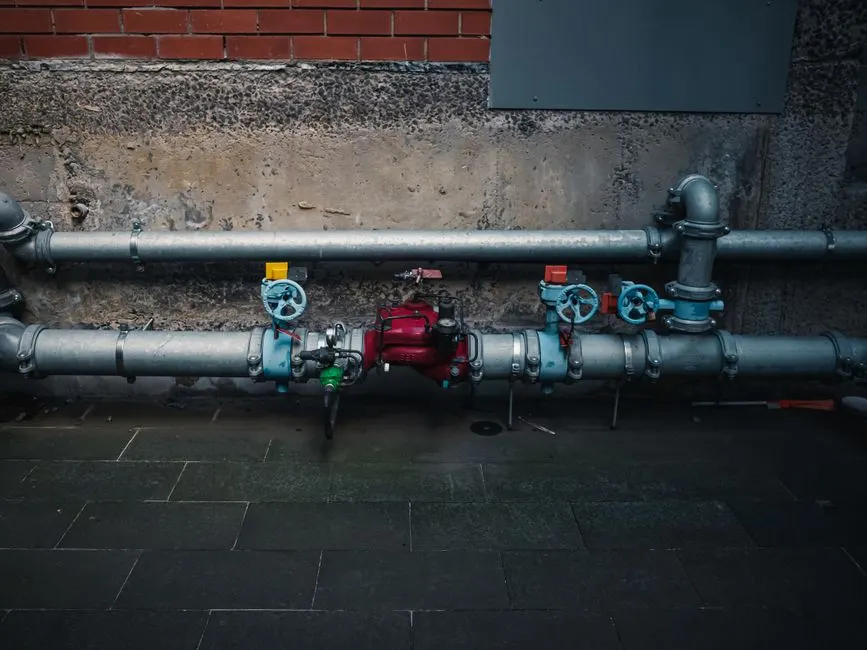
You can find most hidden water leaks in a Rathdrum home by shutting off every fixture, watching the water meter's leak dial for 20 minutes, and then tracing the wet spot with a moisture meter or thermal camera. If that dial moves while nothing is running, water is escaping somewhere between the meter and your fixtures. This guide walks through the meter test, the warning signs that show up before visible damage, how to trace slab and underground leaks, and when it makes more sense to bring in a leak detection crew.
Rathdrum sits on a mix of basements, crawl spaces, and slab-on-grade construction, and each one hides leaks differently. A crawl space leak soaks insulation for weeks before you smell it. A slab leak under a hallway can run for a month before the floor feels warm. Catching either one early is the difference between a $400 repair and a $6,000 tear-out.
Start with the water meter test
The water meter test is the fastest way to confirm a hidden water leak in a Rathdrum home, and it costs you nothing but 20 minutes. Every residential meter in the city has a small triangular or diamond-shaped leak indicator on the face. That indicator spins when even a trickle of water is moving through the line.
Here is the sequence we walk homeowners through on the phone every week:
- Shut off the main water valve inside the house, usually where the line enters near the water heater or under the kitchen sink.
- Close every faucet, ice maker line, humidifier, and irrigation zone.
- Confirm no toilet is running and no water softener is mid-cycle.
- Watch the leak indicator for 20 minutes. Any movement means water is passing the meter.
If the indicator stops when the main valve is closed, the leak is inside your plumbing. If it keeps spinning with the main valve shut, the leak is between the meter and the house - an underground service line issue. That second scenario is common on older lots around Highway 53 where original galvanized service lines are still buried.
One caveat: a running toilet flapper can move that dial too. Drop a few drops of food coloring in the tank and check the bowl after 15 minutes before you assume the worst.
Signs of a hidden water leak in Rathdrum Idaho
The signs of a hidden water leak in Rathdrum Idaho almost never start with a puddle. They start with a sound, a smell, or a number on a utility bill. By the time water reaches drywall or flooring, the leak has usually been running for two to six weeks.
Watch for these, in roughly the order they show up:
- Water bill spike. A jump of 2,000 to 4,000 gallons in one billing cycle with no change in habits points to a leak. A pencil-thin pinhole leak wastes about 2,000 gallons a month.
- Musty smell in one room. That earthy, damp-cardboard odor is mold colonizing wet framing. Mold can start growing on wet drywall in 24 to 48 hours.
- Warm spot on the floor. A hot-water slab leak heats the concrete above it. If one tile or a 3-foot section of floor feels warmer than the rest, that is your leak.
- Sound of running water at night. Stand in the basement or hallway at 2 a.m. with everything off. A faint hiss or drip you can hear is a leak under pressure.
- Bubbling or peeling paint. Paint that blisters on a wall or ceiling is water pushing from behind the surface.
- Foundation cracks that appear suddenly. Soil saturated by an underground leak expands and shifts. New stair-step cracks in a block foundation are a red flag.
- Low water pressure at one fixture. A supply line leaking under a slab drops pressure to the fixtures downstream of it.
If you are seeing two or more of these at once, stop running water and call for a professional assessment. We handle water damage inspection across Kootenai County and can usually pinpoint the source in under an hour.
How do I find a hidden water leak in my Rathdrum home?
You find a hidden water leak in your Rathdrum home by narrowing the search zone first, then confirming with a tool. Guessing at random wastes hours. Work from the meter inward, one zone at a time.
Isolate the zone
Close the main valve and open one fixture at a time. If the meter spins only when the kitchen line is open, the leak is on that branch. If it spins with everything closed, the leak is on the main line or a slab line.
Use a moisture meter
A $40 pin-type moisture meter reads the percentage of water in drywall, wood, and concrete. Normal drywall reads 8 to 12 percent. Anything above 17 percent is wet, and above 20 percent means active water. Sweep the base of every wall that shares plumbing - kitchen, bathrooms, laundry, and water heater closet.
Try a thermal camera
An infrared camera shows temperature differences. A hot-water leak glows warm; a cold-water leak shows as a cool band. Thermal cameras run $200 to $500 for a homeowner-grade unit, which is why most people rent one or call us. Our technicians use thermal imaging and moisture mapping together to trace leaks behind tile and under slab without tearing anything out.
Check the usual suspects first
Before you assume a slab leak, rule out the cheap stuff. Toilet flappers, shower valve cartridges, refrigerator ice maker lines, dishwasher supply lines, and water heater T&P valves cause more "hidden" leaks than anything else. A failed flapper alone can waste 200 gallons a day.
Tracing slab leaks and underground leaks
Slab leak detection in Rathdrum ID is a different job than finding a leak in a wall, because the pipe is buried under 4 inches of concrete. You cannot see it, and you should not start jackhammering to find it.
Three tools do the work:
- Acoustic listening. A ground microphone picks up the sound of pressurized water escaping a pipe. We can hear a pinhole leak through 4 inches of slab from 6 feet away.
- Thermal imaging. Hot-water slab leaks show as a warm streak on the floor within 10 to 15 minutes of running a hot fixture.
- Pressure isolation. We pressurize the hot and cold systems separately to determine which line is leaking before we cut concrete.
Underground water leak detection Rathdrum is similar but happens outside the foundation. Service line leaks between the meter and the house show up as a wet strip in the yard, a sunken patch of grass, or an unusually green patch in August. If your meter spins with the house valve closed, that is the leak you have.
Once we locate the leak, the repair is usually a targeted cut - a 2-foot by 2-foot section of slab, not the whole hallway. For leaks that have already soaked flooring or framing, we move straight into structural drying services Rathdrum so the structure dries before mold gets a foothold.
Common mistakes when hunting a hidden leak
The most expensive mistake homeowners make is waiting for visible water. By the time a ceiling stains or a floor buckles, the leak has been running for weeks and the repair bill has tripled.
Other mistakes we see constantly:
- Assuming a high bill is a rate increase. Compare gallons used, not dollars. Rates change; usage tells the truth.
- Cutting into drywall to "find" the leak. You will open five holes before you hit the right one. A $150 thermal scan saves the drywall.
- Ignoring a crawl space. Rathdrum homes with crawl spaces often hide leaks under insulation for months. If you have not looked under the house since spring, do it now.
- Running the heat to "dry it out." Heat without airflow and dehumidification just moves moisture into the walls and grows mold faster.
- Fixing the pipe but not the water damage. A repaired pipe still leaves wet framing, wet insulation, and wet subfloor behind. That is a mold problem in 48 hours.
If a leak has already soaked carpet or a basement floor, professional water damage cleanup Rathdrum gets the moisture out with extraction and drying equipment instead of a box fan and hope.
When to call a professional
Call a professional when the meter test confirms a leak you cannot see, when the leak is under a slab, or when water has already reached flooring, drywall, or insulation. Those three situations turn a plumbing job into a restoration job, and doing them in the wrong order costs you twice.
We find the leak, fix the source, and dry the structure before we leave. Our team carries thermal cameras, acoustic listening gear, and moisture meters on every truck, so we are not guessing. If you have already pulled up wet carpet or cut out soggy drywall, we handle carpet water removal Rathdrum and rebuild the affected materials after the structure is dry.
Homeowners in the older neighborhoods near downtown Rathdrum and along the Rathdrum Prairie deal with slab and service line leaks more than most, because a lot of that housing stock still has original piping. If your home was built before 1990 and you have never had the supply lines inspected, a leak is a matter of when, not if.
Frequently Asked Questions
How do I find a hidden water leak in my Rathdrum home?
Shut off all fixtures, watch the water meter's leak indicator for 20 minutes, and note any movement. Then isolate zones one at a time using a moisture meter or thermal camera. If the meter spins with the main valve closed, the leak is underground between the meter and the house.
What are signs of a hidden water leak in Rathdrum ID?
The top signs are a water bill jump of 2,000 to 4,000 gallons, a musty smell in one room, a warm spot on the floor, and the sound of running water at night with everything off. Two or more together almost always means an active leak.
Who can find hidden water leaks in Rathdrum Idaho?
Licensed water damage restoration companies and leak detection specialists have thermal cameras, acoustic listening equipment, and moisture meters to trace leaks without demolition. Plumbers can also locate leaks, but restoration crews handle the drying and repair that follows.
How much does water leak detection cost in Rathdrum?
Typical 2026 pricing in this area runs $150 to $400 for a standard residential leak detection visit, and $300 to $600 when slab or underground tracing is involved. Most of that cost rolls into the repair if you hire the same company to fix it.
Can a hidden water leak fix itself?
No. A pressurized leak only gets worse as water erodes the pipe, soil, or slab around it. A pinhole leak that wastes 2,000 gallons a month today can become a burst pipe and a flooded basement within a few weeks.
Get help with Water Damage Restoration in Rathdrum
If your meter is spinning, your floor feels warm, or you smell something musty behind a wall, we can find the leak and dry the damage before it spreads. We serve Rathdrum and the surrounding Kootenai County area with same-day leak detection and full water damage restoration.
Call Rathdrum Water Damage Pros at 208-839-0055 and we will get a technician to your door.